In 2023, the Curnutt & Hafer team launched our Generosity Purpose Initiative, a structured commitment to intentionally support nonprofit organizations through funds set aside for this very purpose. A percentage of our monthly revenue is earmarked for charitable giving. Sometimes the organizations are local; other times, they have a global reach. Just recently, we helped an AISD elementary school educator with essential classroom needs so students could begin the school year in an optimal learning environment.
Some of our 2026 recipients include Mission Arlington, One Safe Place, Arlington Charities, Arlington Education Foundation, Young Life Arlington, Homeward Bound, and River Legacy Foundation. Our community is fortunate to have a wide range of dedicated charitable organizations serving the needs of our neighbors, and Curnutt & Hafer is honored to support their efforts through our Generosity Purpose Initiative.
Congratulations to Vicki Hafer and Kelly Curnutt on being named 360West Top Attorneys!
The annual 360West Top Attorneys recognition is a “peer-voted honor that highlights outstanding legal professionals throughout Tarrant County and the Fort Worth area.”
Kelly was recognized as a Top Attorney in Business Law, while Vicki was recognized as a Top Attorney in Family Law. Congratulations to both on this well-deserved achievement!
When a person passes away, the hope is that their final wishes, as expressed in their Last Will & Testament, are carried out. Sometimes, however, things are not that simple.
Will contests and inheritance disputes can arise when the decedent’s testamentary capacity is unclear, raising questions about whether they were mentally capable of expressing their wishes in their Will. Other times, there are claims of duress or undue influence surrounding the preparation or revision of the Will. Families are left with unanswered questions, and at stake may be ownership interests in real estate, the family homestead, a business, cash, or even stock.
Each case is unique, fact-intensive, and often emotionally charged, and therefore best handled by skilled and compassionate litigators with experience in these particular types of disputes. Kelly Curnutt, Doug Hafer, and Hunter Rogers are equipped to champion these causes and guide clients through the difficult process of a Will contest or inheritance dispute. Our team stands committed to walk alongside our clients, armed with professionalism, integrity, and care.
You’ve decided to buy property, sell a business, acquire services, or enter into any number of other transactions. Now what? Here are some tips from Curnutt & Hafer business and real estate attorneys, Paul Johnson and Cheyenne Haddad.
A contract is a legally enforceable agreement. Generally, whatever you promise to do in a contract, the law will require that you do it. There are exceptions to this general rule, but you should never enter into an agreement expecting to avoid the enforcement of any of its provisions. Often there will be substantial liability if you do not do what you agree to do.
2. The law imposes a duty to read contracts. If you sign a contract, you are assumed to know what is in it and to have agreed to it. Not reading a contract is no defense to its enforcement. While there can be defenses to enforcement available to those who sign a contract under unfair pressure (such as defenses based on adhesion, fraudulent inducement, and the like), such defenses are rarely successful and the burden on the person seeking these defenses is heavy.
3. Contracts do not have to be in writing: Generally, an oral contract is just as enforceable as a written contract. There are, however, some oral contracts that are not enforceable under a rule of evidence commonly called “the Statute of Frauds.” Such unenforceable oral contracts include contracts for the sale of real estate, leases of real estate for a term longer than one year, agreements that cannot be performed within one year, among others. However, be warned. Just as you should not plan to sign a contract and then avoid it later, you should not orally agree to something planning to avoid it later.
4. A contract must contain a mutual exchange. This means both parties must make some type of promise or give something of value in the contract. This is called “consideration” and is the primary reason why a mere gratuitous promise is generally not enforceable.
Be aware, however, that when the person to whom a mere gratuitous promise is made then changes their position in reliance on that promise, under the principle of “promissory estoppel,” even that gratuitous promise may become enforceable.
5. A contract does not have to be all in one document. Sometimes, multiple letters, emails, notes, and other writings can be combined to form a binding contract, even when the parties intend to cover the transaction in a more comprehensive single document later. Be careful what you write.
6. Beware of Indemnity Obligations. The party drafting the contract generally is trying to protect its own interests and not the other party’s interests. Frequently, in drafting the contract a party will provide for the other party to indemnify and defend the drafting party with respect to potential claims and other risks. Simply stated, the obligation to indemnify is an obligation to pay the other party’s losses and damages from the potential claims and risks and the obligation to defend is the obligation to provide legal defense against such matters. Indemnity provisions should be carefully considered and negotiated.
7. Contracts against public policy are not enforceable: You cannot make a contract to do something illegal and expect the court to enforce it. For example, a contract to buy and sell illicit drugs is likely against public policy and thus not enforced by the court.
8. Some contracts remove your right to sue in court. If a contract contains an arbitration clause, you generally will be bound to settle your dispute before an arbitrator instead of before a judge or jury. The arbitrator’s decision will be legally binding on you, and you will have very limited rights to appeal the decision.
9. Contracts can change which law applies and where you can sue and be sued. Some contracts contain something called a “forum selection” clause and a “choice of law” clause. These provisions choose which body of law will apply and which court or “forum” will decide any dispute. Often, you can be bound to the law of another state and to litigate or arbitrate disputes in another state. For example, if a Texas business buys materials from a business in California and the contract for the purchase contains a provision that California law will apply and any disputes will be determined California, the Texas business likely will be required to sue and be sued in California if a dispute arises over the materials purchased.
10. Failure to fulfill your promises in a contract can result in financial damages. It may be stating the obvious, but if you enter into a contract agreeing to do something and you don’t do it, the other party can sue you and recover their damages from you.
Need help drafting, reviewing, or interpreting a contract or other business document?
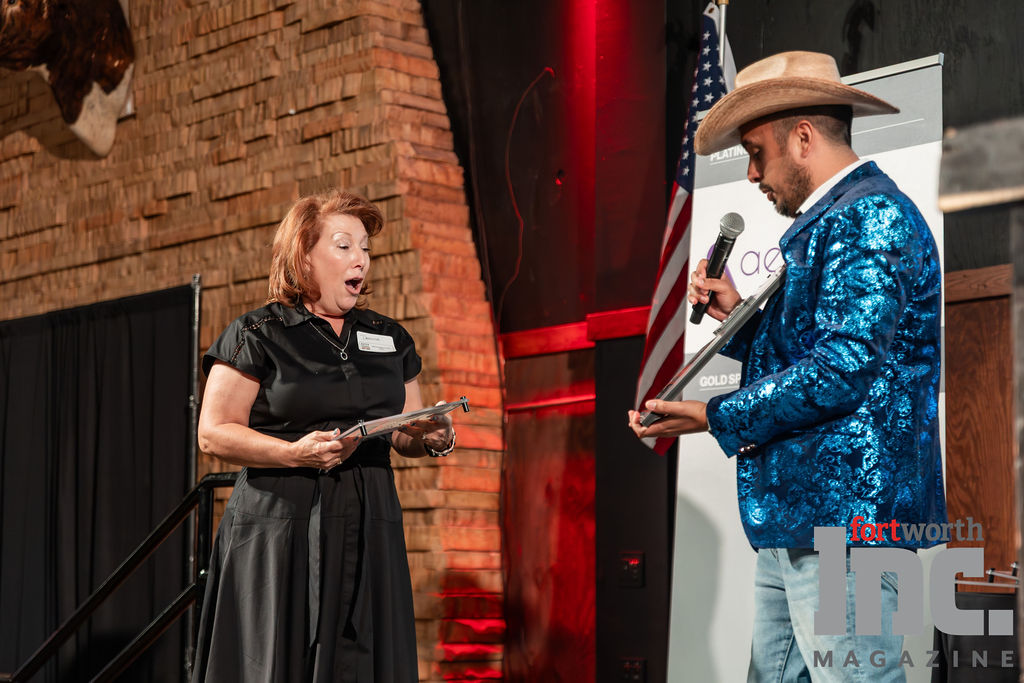
For the fourth consecutive year, Curnutt & Hafer has been recognized as a Fort Worth Inc. Magazine’s “Best Companies to Work For”, this year placing #1 out of 22 companies.
We believe that culture and mission-driven leadership create a thriving workplace. After 25 years of impact, our firm isn’t just growing – it’s raising the bar for what a law firm can be.
Thank you to our incredible team and Fort Worth Inc. Magazine for making this possible! With a positive company culture, we can better serve our clients.